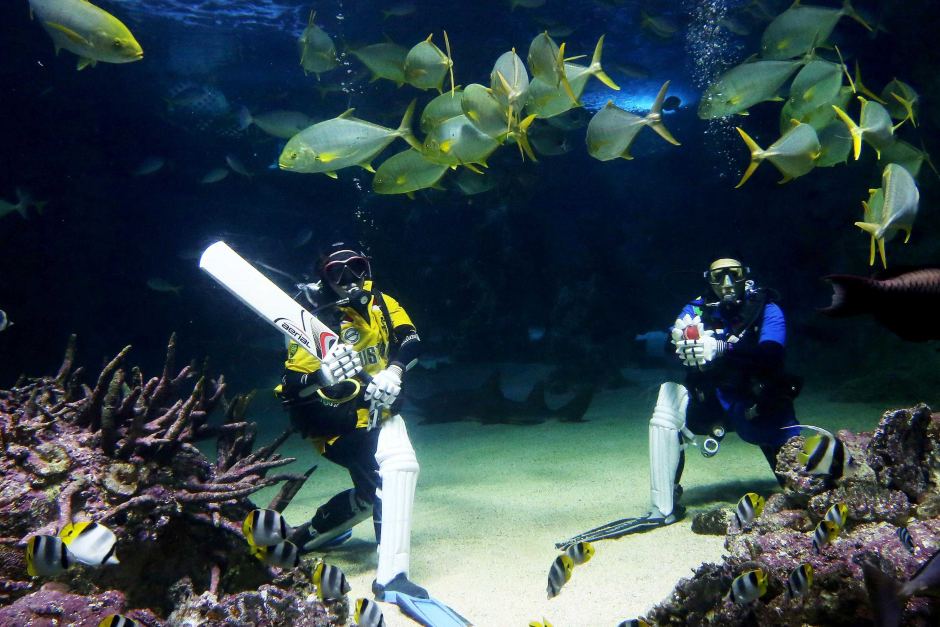
Deep Sea Waters
Deep sea is nothing but the stumpy level in the marine that is found in the depth of more than 1800 mThis area is completely dark because no light can make a way inside it 71 % portion of the earth is occupied by water and people are utilizing ocean for various purposes such as transportation, fishing, exploration and many more.
However, the deep part of the sea is still remains untouchedSeeing the situation majority of the scientist thought that life would be scant in the deep sea, but almost each search has discovered that life is plentiful in this reason. The deepest layer of ocean has lots of unthinkable stories, secrecy and legends that make mankind more curious about the life that is surviving bottom of the sea


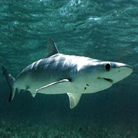
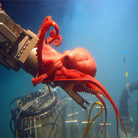

People are much aware about the moon since it is easily viewable compare to Deep SeaInitially people didn't assumed the possibility of life at the bottom but later as the flourishing colonies of shrimp and other organisms discovered, people starting believing that there are abundant creatures surviving in darkAs Sun light and oxygen can't reach there but still life is surviving, it has become an innovative discovery that says life can even subsist without oxygen or Sun light that considerably enhance the possibility of the life somewhere else in the space.
From many decades, the sea has been a scientific research center for the series of developmentThe outcome of discovery can be seen in a form of various deep sea creaturesDeep sea creatures are nothing but fishes and other animals that survive down in the deepest part of the marineThe coral reef is a platform for these far-fetched living thingsFishes are presented in different shapes and abilitiesSome of them don't look like fishes but resemble to eels (a fish that has a long thin body similar to a snake)You can find puffer fishes, which actually enlarge similar like balloon to save their life from carnivorous animalsThere are seahorses that generally come under one of the most strange fish designs on the reef and you will be surprised to know that male seahorse gives birth to the juvenile
It is very icy and dark at the bottom and Sunlight can't reach there but most of the deep sea animals produced light that can be seen easily in darkMajority of them enclose a cell in their body that produces lightMost of the deep sea creatures are black in color, that's the reason they are easily seen with the light that they produced
However a number of deep-sea fishes and prawns are bright red color that makes tough for them to be caughtFew fishes only can swim down to top in order to catch their preyBecause, if deep sea creatures brought up on the ocean surface from the bottom, then their body organs and mainly eyes will burst and they will depart the lifeThe light which they produced from their mainly provide greenish golden colorAnimals with soft body only can survive at the depth of sea, for example jellyfish, aquatic anemones and other soft body animalsMost of them are bioluminescent and they usually have large eyes to adjust in darkFew of the deep sea animals have long sensors that facilitate them to find prey or draw buddy in the terrain black of the deep marine
The lifespan of deep sea animals can be solely in deep water, even though a number of species are inherent in less deep waterFrom many decades, people are doing deep sea exploration to find out substantial, chemical, and organic environment at the bottom of the marine, for technical and commercial usagesThe creatures of the deep sea are one amongst the most indescribable creatures on EarthThere are still many unknown deep sea information yet to study
As the sun light is not able to reach at the bottom, most deep aquatic animals need to depend on organic substance dropping from higher levelsTherefore lots of species of deep sea are visibly small with large mouths and guts compare to those living at surface levelIt has also been explored that deeper the creatures survive, they will have more rubbery tissues with least bone structure, which make them comparatively slow and less alert than surface animalsHumans are kept on searching to know more about deep sea creatures and to get the answers for their thousands of questions
Any aquatic animal can be categorized under deep sea foods that are served as foodstuff and have all rights to be eaten by humansFish, shellfish and edible seaweeds are also come under sea foods that are usually eaten all over the worldThe term "Fishing" is known as harvesting of seafood and "cultivation" of seafood is generally known as aquaculture/mariculture, or fish farming( in case of only fish)Seafood is considered as a major source of protein across the world and particularly in seaside regionsMoreover, various investigations have dictated that sea foods are rich source of vitamins, minerals, fats and also used to keep fitBut some of them are having toxic elements, hence they should be avoidedBalance diet is always good to keep healthy body

 Deep Sea Crabs
 Deep Sea Shrimps
 Deep Sea Lobsters